
Anyone who has listened to a big race on the radio knows the feeling as a calm voice turns into a roar the moment the field swings into the home straight. In reality, every clear call rests on hours of preparation and a small set of tools that most racegoers never see.
Commentators work from a high vantage point, usually a box or gantry overlooking the winning post. From there, they must identify fields that can exceed 30 runners, often in poor light or rain. The kit they rely on is surprisingly simple, but the way they use it is anything but.
Binoculars: The Most Important Instrument in the Box
Binoculars are the one item no race caller can do without. Racecourses are big, and on many tracks the far side lies several furlongs from the stands, where silks blur together long before the runners reach the final bend.
Steadiness Matters More Than Power
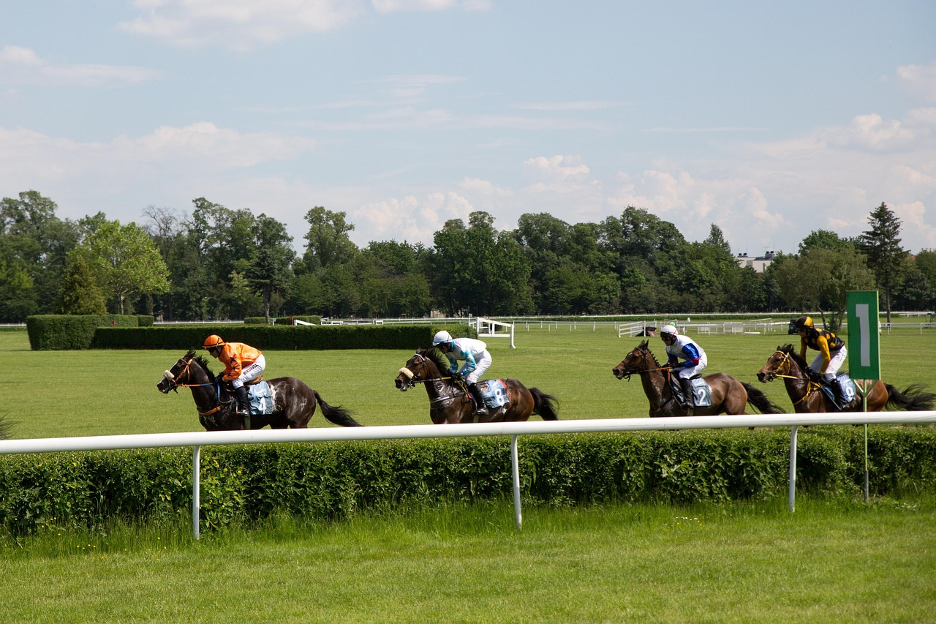
The strongest magnification is not always the best. Higher magnification narrows the field of view and exaggerates every tremor, which makes it harder to keep the whole field in frame. Many commentators therefore prefer a moderate pair, and some mount theirs on a stand to keep the image steady and free their hands.
When the Runners Vanish From View
No course offers a perfect view of every yard, so commentators keep a television monitor close by for the moments when trees, buildings, or bends hide the field. The skill lies in switching between binoculars and screen without losing track of who is where.
Colour Charts and the Art of Learning Silks
Saddlecloth numbers are hard to read at a distance, so race callers identify horses mainly by the jockeys’ silks. Before a big meeting, a commentator may spend hours studying the colours for every race on the card. This kind of preparation resembles the discipline of competitors at chess congresses, poker rooms, or casino tournaments, where information must be recalled instantly and under pressure.
Reading and Remembering Racing Colours
In Britain, owners register their colours through a registry administered by Weatherbys on behalf of the British Horseracing Authority. Designs combine approved colours with set patterns, such as hoops, stripes, chevrons, stars, and diamonds. Some are instantly recognisable and include the royal colours of purple with gold braid, scarlet sleeves, and a black velvet cap with a gold fringe.
Plenty of others look alike from half a mile away. Hoops run horizontally and stripes vertically, a difference that is obvious on paper yet easily lost in rain or low winter sun. That is why many callers build their own colour charts, group similar designs together, and sometimes colour them in by hand to fix them in memory.
Caps, Headgear, and Other Clues
Silks are not the only way to pick out a horse, and experienced callers use every visual clue available. Among the most useful are:
- Caps, which are often the most visible part of a rider in a bunched field
- Different caps worn when an owner has more than one runner in the same race
- Headgear such as blinkers, hoods, and visors
- Sheepskin nosebands, which stand out clearly through binoculars
- Coat colour, especially a grey among a field of bays and chestnuts.
The Crib Sheet: A Whole Race on One Page
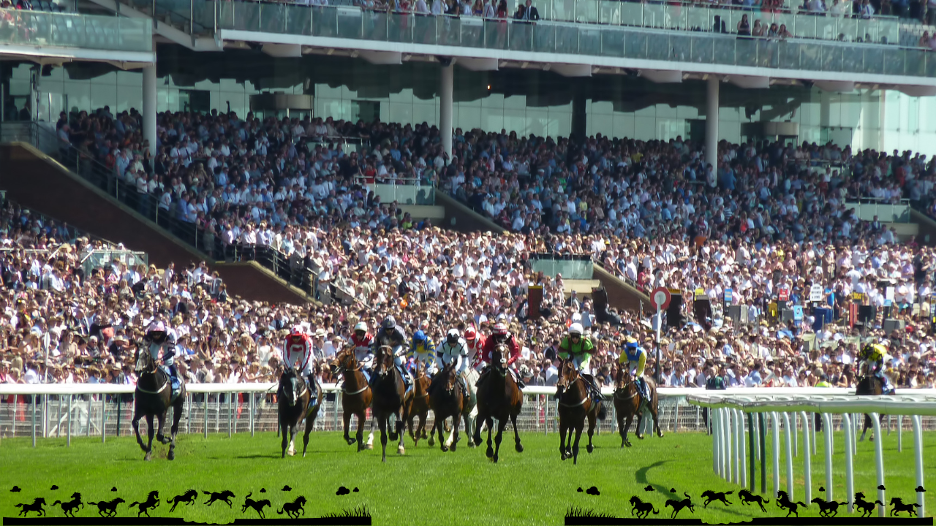
Alongside the colours, most commentators prepare a crib sheet for each race, a condensed briefing they can take in at a glance. What goes on it varies from caller to caller, but typical entries include:
- Running styles and horse form
- Recent habits, such as pulling hard or hanging late in a race
- The stall draw on the Flat, which shapes where each runner settles
- Pronunciation of foreign-bred horses and unusual names
The sheet also needs updating on the day, since non-runners, jockey changes, and late equipment alterations can arrive shortly before the off. Outdated notes are the quickest route to naming the wrong horse live.
Sharing the Load on the Biggest Days
Some races are simply too large for one pair of eyes. The Grand National at Aintree covers two circuits and 30 fences, and since 2024 its maximum field has been 34 runners rather than 40. Broadcasters have traditionally split the call between several commentators positioned around the course, each handing over as the runners pass through their section.
The Final Furlong
The toolkit extends beyond what the caller looks at. Lip microphones, designed to be held close to the mouth, are widely used in sports commentary because they cut out much of the crowd noise that swells as the finish approaches.
Close finishes bring their own discipline. When horses flash past the post together, an experienced caller will announce a photograph, not their best guess, since only the judge, working from the photo finish image, can declare the result. A wrong call in that moment is remembered far longer than a hundred correct ones.