
The flat season is still winding down, but jump racing never really left. It just went quiet for a few months. From late September the big yards start firing again, entries sharpen, and the first form lines of the new National Hunt campaign start to mean something. Here is where to look first.
Chepstow Opens the Door, and Punters Are Already Watching
Chepstow’s autumn card has grown from a single curtain raiser into a three day Welsh Racing Festival, and its feature race carries a name worth knowing. The Persian War Novices’ Hurdle honours a horse who won the Champion Hurdle three years running, in 1968, 1969 and 1970, despite an owner who shuffled him between five different trainers. Paul Nicholls has since won the race nine times himself, more than anyone else.
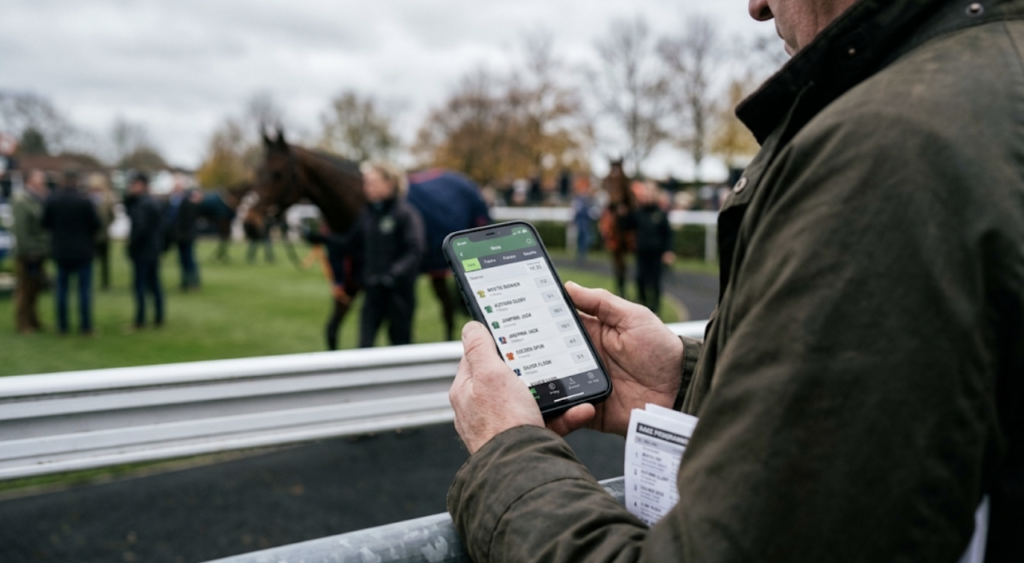
Early prices on this year’s novice hurdlers start moving the moment those first form lines land, sometimes within hours of a horse’s debut run. A fair number of punters check the market from their phone before the fences at Cheltenham are even signed off for the season, opening 1xbet Saudi Arabia on a Tuesday morning to see how a maiden winner’s price has shifted overnight. The habit is older than the technology. Only the screen changed.
Nobody at Chepstow in October is thinking about March. That comes later.
The Yards That Actually Matter This Autumn
Willie Mullins remains the reference point, whether rival trainers like it or not. His Closutton operation matched the record for most winners at a single Cheltenham Festival, ten, back in 2025. The same yard trained I Am Maximus to Grand National victory at Aintree in April 2026, two years after the horse’s first win there in 2024.
Repeat winners of the National are unusual, genuinely rare across more than a century of the race. The horse returns for another attempt in 2027, at the distinctly senior age of 11.
A handful of names decide most of what happens between now and Cheltenham.
- Willie Mullins carries 115 Cheltenham Festival winners into the new season, well clear of Nicky Henderson in second place.
- Nicky Henderson is quietly rebuilding. The 2026 Festival marked the first time since 2011 that his string went into the Champion Hurdle without a runner of his own.
- Paul Nicholls built his reputation on placing horses in exactly the right race, and nine Persian War wins say as much about his planning as his raw stable talent.
- Gordon Elliott and Dan Skelton round out the group worth tracking from October, both capable of upsetting the usual order on the right day.
Worth asking early in the season: which of these yards is actually building toward March, and which one is just filling out an October card. The answer usually shows within the first few weeks.
What the Autumn Fixture Changes Actually Tell You
British racing’s governing body trimmed the 2027 jump fixture list to 556 meetings, five fewer than the 561 scheduled for 2026. Small number on paper, five meetings out of hundreds. It matters more once you notice why. A shrinking horse population and pressure on prize money pushed the change, and fewer fixtures chasing the same pool of runners usually means fuller, more competitive fields.
That detail gets lost under trainer profiles and antepost prices, but it shapes almost everything that follows for anyone actually watching this autumn.
- Ground conditions at the first meetings matter more than people admit. Good ground turns to soft, then heavy, fast once proper October rain arrives, and it decides which horses even want to run.
- Novice hurdle form from Chepstow and the Cheltenham Showcase meeting, scheduled for 23 and 24 October, gives the first honest read on this year’s crop of young jumpers.
- Stable jockey bookings quietly reveal more about a trainer’s plans than most preview articles manage, so watching who rides what is rarely wasted time.
The leaves are already turning. So is the market.