
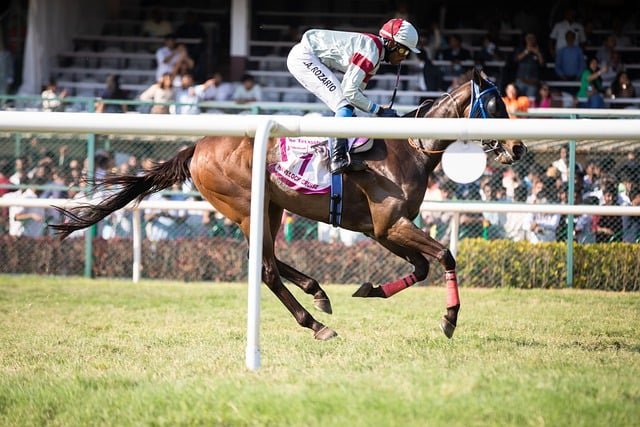
 Horse racing form is a compressed record, not a prediction. Finishing positions matter, but they make sense only beside class, distance, surface, pace and the circumstances of each run. A horse that finished sixth after racing wide may have performed better than a runner that finished third from an easy position. Beginners improve fastest when they ask what produced the result. Context turns the row of figures into usable evidence.
Start with the most recent three to five runs. Older races can reveal preferences, yet current fitness and today’s conditions deserve more weight. The goal is to build a coherent case, then compare that case with the price.
Start With Class, Not the Finish
A finishing number hides the quality of the opposition. Dropping from a stronger race into a weaker one can make an unplaced runner competitive. Moving up sharply asks a different question: did the previous performance show enough speed and resilience for better company?
Race conditions provide the answer’s frame. Check whether the event is a handicap, maiden, allowance race or stakes contest. Compare the horse’s previous level with today’s field before treating a win as strong evidence.
Distance and Surface Change the Test
A horse can travel well at one distance and struggle when asked to sprint earlier or conserve energy longer. Course configuration matters too: tight turns, long straights and uphill finishes place different demands on balance and stamina. Turf, dirt and synthetic surfaces should not be treated as interchangeable.
Look for repeated evidence rather than a single good day. A runner with several solid efforts around today’s distance and surface presents a cleaner case than one relying on an isolated peak.
Weather can alter the going before post time. Recheck official conditions rather than relying on an early preview.
Reliable horse racing tips connect racehorse form to today’s specific conditions.
Read the Running Line as a Story
Past-performance lines often show position at several calls, beaten lengths, carried weight, jockey and final time or speed figure. Read them from left to right. A horse that led early and faded faced a different race from one that closed late after losing ground.
Trip comments add context. They are not excuses to accept automatically. “Blocked” matters only if the horse had enough energy and room later to improve. Repeated trouble can also point to a running style that creates its own problems.
Build the Bet After the Form View
Form work should come before checking the market because a short price can distort judgment. Writing a provisional ranking first creates a useful reference point. A bettor using a BD bet app can compare pre-race odds only after ranking the runners on class, conditions and likely pace. The app’s bet slip should confirm the exact race, selection and stake before submission. Odds express a price, not certainty. A strong horse can still be poor value when the implied chance is higher than the bettor’s estimate. Setting the stake in advance keeps one race from rewriting the day’s bankroll plan.
Four Checks Before a Selection
A short worksheet prevents one striking detail from taking over:
- class: stronger, similar or weaker opposition;
- conditions: distance, surface, going and course shape;
- pace: likely leader, stalker or closer;
- price: available odds against the estimated chance.
Weight, draw and trainer form can refine the view. They should not rescue a runner whose central profile does not fit the race.
Market Movement Needs Context
Late price changes attract attention because they are visible and immediate. They do not explain whether money came from informed opinion, public enthusiasm or a thin market. On a sportsbook headed by MelBet, race listings and changing odds belong beside the underlying form study rather than replacing it. A shortening price lowers the potential return and may remove the value that first made the horse interesting. A drift can improve the price while signalling nothing definitive about performance. Bettors should recheck the wager if the odds change materially. The race still turns on horses, pace and conditions once the gates open.