
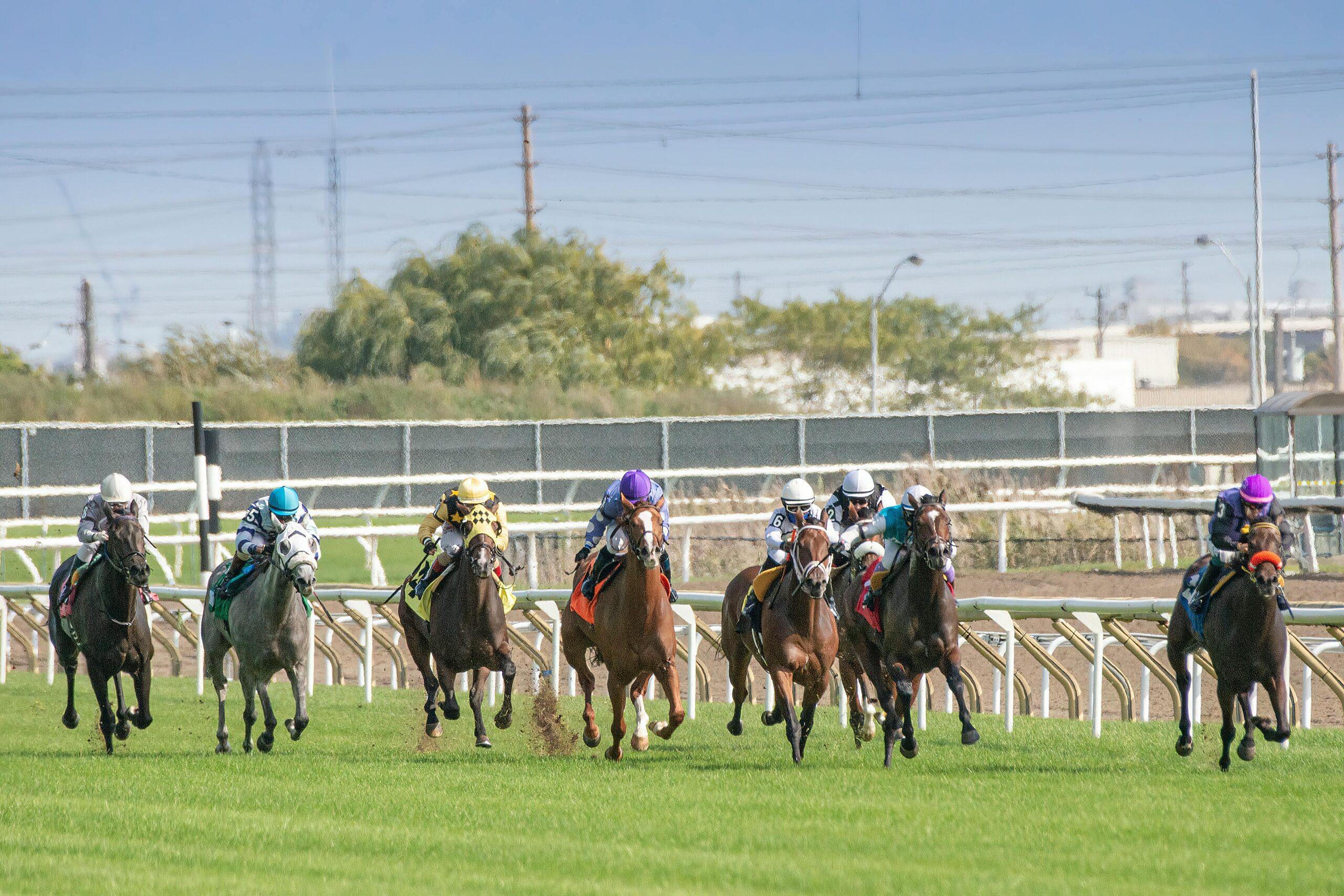
 Horse racing has a long history that stretches across continents, blending sport, tradition and spectacle in a way few others can match. From historic British meetings to globally recognised championships, the biggest races attract millions of viewers each year and draw together the finest horses, jockeys and commentary. Many of these events have been running for well over a century, becoming cultural occasions as much as sporting contests. Whether shaped by royal patronage, huge prize money or sheer difficulty, these races continue to define the sport in 2026 and remain key dates in the international racing calendar.
Kentucky Derby
Run for the first time in 1875 at Churchill Downs, the Kentucky Derby opens the American Triple Crown and rarely fails to draw attention far beyond racing circles. Crowds gather in huge numbers, helped by the wider Kentucky Derby Festival that leads into the race. Its reputation rests on a blend of history, fashion and atmosphere, alongside the fact that it lasts barely two minutes yet often defines a horse’s career.
Grand National
The Grand National dates back to 1839 and is staged at Aintree each spring. It remains the best-known jumps race in the world, largely because of its scale and the difficulty of its fences. As the centrepiece of the Grand National Festival, it brings in viewers who may not even follow the sport at any other time of the year, mainly as a result of the unpredictability and its huge role in British sport.
Royal Ascot
Founded in 1711 by Queen Anne, Royal Ascot has grown into a meeting, rather than a single race, that mixes top-class racing with ceremony. It takes place over five days and sits at the heart of the British flat season. The royal procession, formal dress and competitive racing all play a part in its appeal, giving it a status that goes beyond sport and into tradition. It is common for some racegoers to take part in Royal Ascot betting across the five days.
Melbourne Cup
First run in 1861, the Melbourne Cup was held at Flemington and forms the focal point of the Melbourne Cup Carnival. It has become a huge part of Australian culture, with a lot of the country tuning into the race each year. It has even raked in plenty of international interest when it comes to racers and spectators, with the wider events adding to its reputation rather than a single race.
Prix de l’Arc de Triomphe
The Prix de l’Arc de Triomphe began in 1920 and is run at ParisLongchamp each autumn. It is often viewed as Europe’s leading flat race, typically bringing in some of the best middle-distance horses from around the world. The Arc weekend has been built around it, which has helped to turn the race into a key moment in the season, with the winners of it often remembered as huge figures in their generation of racing.
Dubai World Cup
Introduced in 1996, the Dubai World Cup is a relatively recent addition, yet it has quickly found its place among the sport’s biggest events. It is held at Meydan and anchors a full evening of high-level racing. The prize money has always been a major draw, but the setting and organisation have also helped it attract strong international fields year after year.
Breeders’ Cup
Since its launch in 1984, the Breeders’ Cup has acted as a season-ending championship, moving between leading racecourses in the United States. It takes place over two days and includes several top-level races. Its importance comes from the quality of runners it attracts, with horses travelling from different continents, giving it a global feel not always seen elsewhere.
The Derby Stakes
The Derby was first run in 1780 at Epsom and remains one of the most important races for three-year-olds. It forms part of the Epsom Derby Festival and has long been linked with breeding as much as racing. The undulating track and unique layout present a proper test, which has helped maintain its standing within British racing for well over two centuries.
Preakness Stakes
First held in 1873, the Preakness Stakes followed the Kentucky Derby as the second leg of the Triple Crown. It is run at Pimlico and arrives quickly after the opening race, which keeps the intensity and momentum high. The shorter trip tends to produce a different style of competition, and the interest often centres on whether a Derby winner can take another step towards completing the series.
Belmont Stakes
The Belmont Stakes was first run in 1867, completing the Triple Crown, and is known for its longer distance track. It is often described as a challenge for many and can expose any weakness left after the earlier races. When there is a Triple Crown on the line, the attention rises sharply, which has helped to secure its place as one of the most anticipated events in the racing calendar.