
Few sports have changed the way they reach fans as often as racing. A single race lasts about two minutes. Yet the horse racing broadcast wrapped around it has grown from a few hurried words on the airwaves into a worldwide, multi-screen industry. How did we get here? Let’s walk through it.
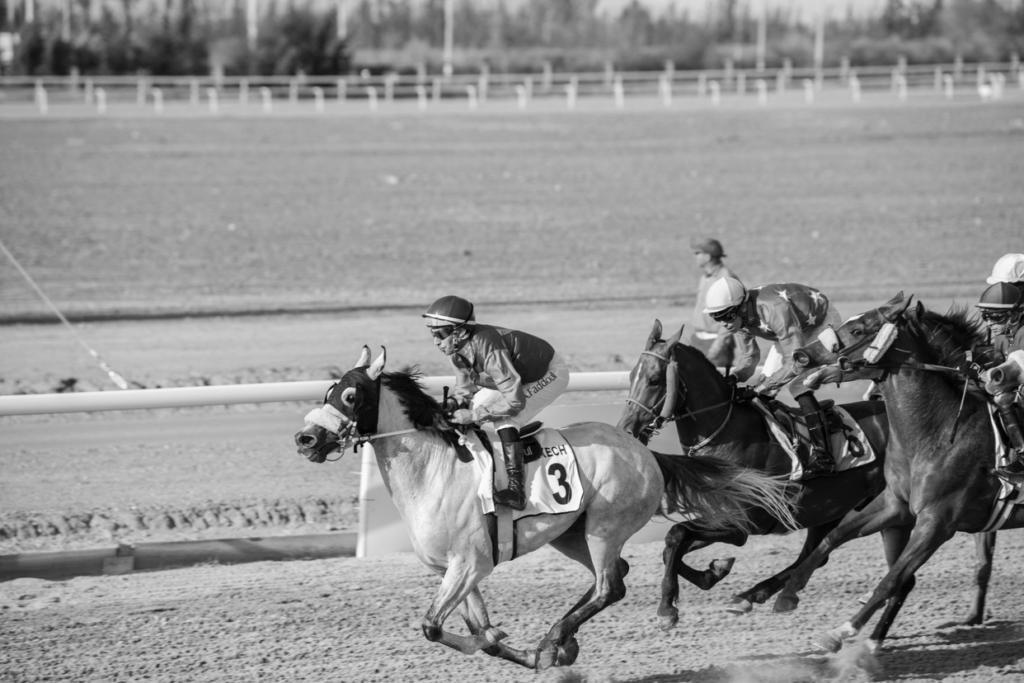
When Radio Carried the Roar
It began in the 1920s. In 1925 the Kentucky Derby went out on radio for the first time, and people who had never seen Churchill Downs suddenly had a seat at the rail. Announcers had no replays and no graphics, only binoculars, a fast tongue and a long list of jockey colours to memorise.
Television Adds the Picture
The BBC experimented with showing the Epsom Derby as early as 1931, long before most homes owned a set. The Kentucky Derby reached a national TV audience in 1952, and BBC cameras covered the Grand National live in 1960.
Tracking cameras, then helicopters, then slow motion changed what viewers expected. The photo-finish camera, in use since the 1930s, turned “it looked close” into a clear verdict.
Live Streaming Rewrites the Rules
Then came the internet. Racecourse feeds moved to apps, subscription platforms and dedicated racing channels, and fans stopped caring about a TV station’s schedule. You can now watch Cheltenham on a phone in the back of a taxi. The catch? Rights are sold country by country, so a stream that works in Leeds may refuse to load in Lisbon. For smooth and secure streaming while you travel, a VeePN VPN is a sensible tool, and VPN servers in the UK by VeePN let you connect through a British location so your own subscription behaves as it does at home. A large number of reliable VPN servers are the key to freedom and security on the internet.
The numbers keep climbing. Broadcasters answered with apps, on-demand replays and channels devoted to racing alone.
Racing Goes Quiet: The 2020 Test
In 2020 racing was among the first sports to restart. British meetings resumed behind closed doors in June, and the Kentucky Derby was pushed to September and run with no spectators.
Free-to-Air Versus Paid Channels
Who gets to show the racing is its own battle. In Britain, big festivals often sit on free-to-air television while daily meetings live on subscription channels. In the United States, networks carry the biggest races, and streaming services pick up more of the rest.
For viewers, the result is a patchwork. One race might sit behind a paywall and the next might be free, and nobody can predict next season’s map.
What Modern Coverage Offers
A big-meeting broadcast today is packed with tools that did not exist a generation ago:
- Head-on and tracking cameras that show the field from several angles
- Jockey cams and in-running audio that put you inside the action
- Live odds and sectional times displayed right on screen
- Slow-motion replays for stewards’ inquiries
- On-demand archives, so any race can be rewatched later
Put together, these features turn a two-minute sprint into a story with a build-up, a climax and an afterword.
Second Screens, Betting and Public Wi-Fi
Most viewers now use a second screen. They check form guides, compare prices and place bets while the horses circle the paddock.
That habit has a side effect at the track itself. Racecourse Wi-Fi is crowded and often poorly protected. Plenty of racegoers run a VPN VeePN app on their phones before they reach the gates, because encryption keeps logins and payment details away from prying eyes on shared networks. Handy, and it costs almost nothing in convenience.
The Voice Behind the Pictures
“And they’re off!”
Three words, shouted for a century, and they still open nearly every race call. Technology can add graphics, drones and instant stats, but the commentator’s voice remains the thread that holds a race together. A good call makes a tired favourite sound heroic. A bad one ruins a photo finish.
Ultra-Low Latency and Interactive Streaming Horizons
The relationship between racing media and betting is unique in sports. Because odds fluctuate by the millisecond on betting exchanges, traditional broadcast delays of five to eight seconds can ruin the viewer’s wagering experience. If a bettor sees a horse stumble six seconds after it actually happened, their market position is hopelessly outdated. Media networks have therefore poured vast capital into sub-second latency streaming architecture. These feeds sync live visual streams with algorithmic exchange prices with negligible delay.
Fans might ride along with the favorite via a helmet feed, monitor the rail runner from a drone, or toggle horse heart-rate telemetry on a secondary screen. From crackling wireless sets in 1927 to interactive multi-angle streams, horse racing media has transformed from a passive show into a personalized digital arena.