
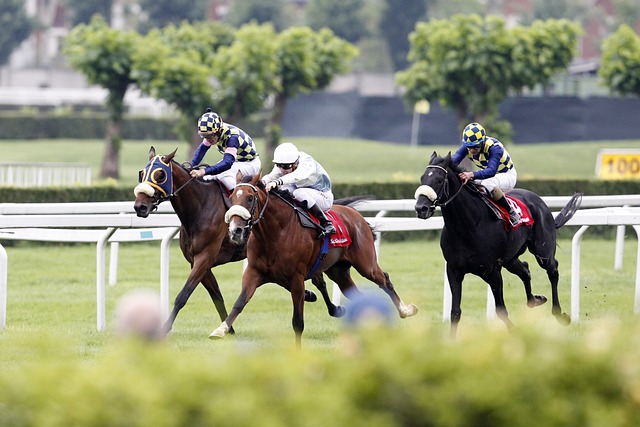
 The moment the stalls open for the Queen Anne at Royal Ascot, the flat racing calendar stops being a promise and becomes a reality. Everything before June feels like a warm-up act.
What follows across the next four months, Ascot, Goodwood, York, the Ebor, King George day, is the reason most serious followers of the sport mark up their diaries in January and start forming opinions long before a horse has left the yard.
This summer’s card is in particularly good shape. The ante-post markets are already generating strong heat, the Classic generation looks deep, and the older horses set to line up across the big handicaps and Group races have come through their prep runs in solid form.
Here is where to focus your attention, and what the betting picture looks like race by race.
Royal Ascot: The Week That Defines the Season
Royal Ascot, running this year from the 16th to the 20th of June, features thirty-five races and a concentration of Group-level talent that no other meeting in the calendar can touch. The Gold Cup on Thursday naturally draws the stayers, the Diamond Jubilee closes the week with a sprint finish, and the Prince of Wales’s Stakes on Wednesday, boasting a massive £1 million prize pot, has become the true championship race for middle-distance horses.
For anyone following the ante-post picture, early markets on races like the St James’s Palace and the Coronation Stakes are worth tracking just to see where the stable confidence lies. Conditions at Ascot in June tend to be quick underfoot, which shapes the form significantly. Horses that have shown a preference for fast ground in their prep runs usually attract early attention from punters.
When looking at how these early prices fluctuate, you can often get a feel for the wider sentiment by checking the odds across established bookmakers like NetBet as the final declarations roll in. Observing these early prices simply provides a useful reference point for how the competitive handicaps are shaping up, allowing you to gauge the mood of the market and keep your involvement sensible once the ground conditions are finally confirmed.
Glorious Goodwood: Where the Market Gets Honest
The Goodwood festival in late July does something the bigger meetings sometimes fail to do: it throws up some genuinely unpredictable results. The undulating course and its famous loop often catch out short-priced horses that haven’t been tested over it before. If you want to see exactly how tricky the camber can be, digging into a few race replays from previous years is a brilliant way to understand why certain horses struggle there.
The Nassau Stakes, the Sussex Stakes, and the Goodwood Cup are the headline Group races. However, the Stewards’ Cup sprint on the Saturday is usually the main talking point. With thirty runners, an unforgiving track, and handicap weights separating horses of real quality, it is one of the most demanding puzzles of the summer.
Punters who enjoy doing their homework on the draw and the likely pace usually find this race an incredibly entertaining spectacle, even if picking the winner is famously difficult.
King George Day at Ascot: Midsummer’s Championship Bout
The King George VI and Queen Elizabeth Stakes at the end of July is the one race where the Classic generation meets the older horses over a mile and a half at the highest level. History backs the Classic horses; three-year-olds have an excellent record in the race, but the older horses who do win tend to be genuine champions.
The betting market on the King George opens wide and then narrows sharply as declarations come in, and the morning-of conditions become known. Watching how the money moves in the forty-eight hours before the race, particularly if there is any doubt over the going, tells you a great deal about what connections are thinking.
The Ebor at York: August’s Great Handicap
York’s Ebor festival sits at the peak of the northern racing summer, and the Ebor Handicap itself, run over a mile and three quarters on the Knavesmire, is the richest flat handicap in Europe.
The field regularly tops twenty runners, the weights spread wide, and any horse near the bottom of the handicap who has been campaigned specifically for this race deserves respect regardless of their price.
The Wednesday Juddmonte International, a genuine weight-for-age championship race over ten furlongs, and the Nunthorpe Stakes on Friday give the Ebor week a full range of betting interest from sprint to staying distances.
A Summer Worth Following in Full
The strongest advice anyone can offer ahead of the summer flat season is simple: follow the markets as closely as you follow the form. The two tell different stories, and when they contradict each other, that is usually where the most interesting bets are found. From the first week at Ascot to the Ebor card in late August, the fixture list builds in a way that rewards patience and genuine knowledge.
There is a lot of racing still to come, and most of it is worth watching closely.