
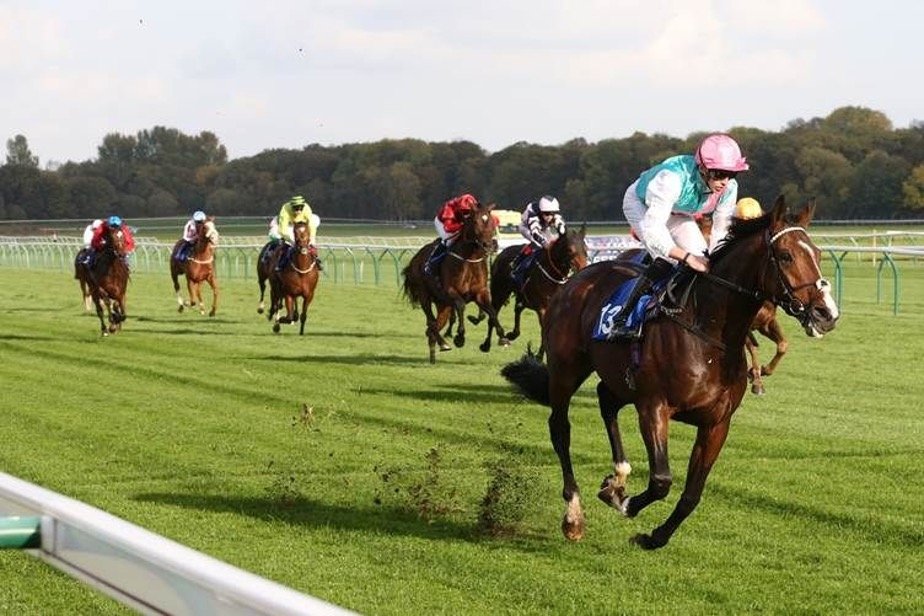
 Horse racing has always been a sport built on inheritance. The idea that speed, stamina, and temperament can be passed from one generation to the next sits at the heart of the thoroughbred industry, and nowhere is that more visible than on the flat.
When it comes to horse racing bets and racing betting across the United Kingdom and Ireland understanding bloodlines is not just something for breeders and bloodstock agents. It shapes how horses are valued, how they are campaigned, and increasingly how racing fans and bettors approach the sport.
What are bloodlines?
A thoroughbred’s bloodline is its recorded ancestry, traced through the General Stud Book, which has documented the pedigree of every British and Irish thoroughbred since 1791. Every horse racing today can be traced back to one of three founding stallions: the Darley Arabian, the Godolphin Arabian, and the Byerley Turk, all imported to England in the late seventeenth and early eighteenth centuries. From those three lines, centuries of selective breeding have produced horses capable of running a mile in under ninety seconds, combining explosive speed with the constitution to do it repeatedly under competitive conditions.
A horse’s pedigree consists of its sire (father) and dam (mother), and the generations behind them. Bloodstock professionals study these family trees in detail, looking for patterns in how certain crosses have performed, which sire lines produce horses suited to specific distances or ground conditions, and which broodmare families consistently throw high-class performers.
Why do they matter on the flat?
Flat racing is a discipline that demands precision. Unlike jump racing, where jumping ability and jumping jumping jumping jumping courage are as important as raw speed, the flat rewards very specific physical and mental attributes: acceleration, stride length, the ability to sustain a high cruising speed, and the temperament to do it in a competitive field. These qualities are strongly heritable, which is why bloodlines carry so much weight.
Distance suitability is the clearest example. Sire lines associated with speed over shorter trips, such as Dandy Man or Acclamation, tend to produce sprinters. Lines associated with stamina, such as Montjeu or Staminaous, produce horses built for longer distances. When a trainer or owner is deciding how to campaign a horse, pedigree provides an early indicator of where its best chance of success lies, particularly before it has run enough races to establish its own form.
Ground conditions are another factor where breeding carries genuine predictive value. Certain sire lines are associated with soft-ground performers, others with firm going. In Britain and Ireland, where the going can shift significantly across a season, knowing whether a horse’s breeding suggests it will handle heavy ground in October or firm ground in June is a meaningful edge.
How bloodlines affect value
The commercial thoroughbred market is built almost entirely on pedigree. At the major yearling sales, Tattersalls, Goffs, and Arqana among them, horses sell before they have set foot on a racecourse. The price a yearling commands is determined primarily by the reputation of its sire, the record of its dam’s family, and the strength of the cross between the two. A son of Frankel out of a Group 1-winning mare will attract significant interest regardless of what it looks like in the ring. A horse by a less fashionable sire faces a steeper climb commercially, however good it might eventually prove on the track.
Stud fees follow the same logic. A stallion’s fee is set largely by the racing record of his progeny, and can move dramatically in a short space of time. When a sire’s first runners begin winning at Group level, his fee rises accordingly. Coolmore’s Galileo, whose stud fee was reportedly north of €400,000 at his peak, generated an estimated €40 million per year in stud fees for the operation at the height of his powers.
What it means for bettors
For those looking to bet on flat racing, bloodlines offer a layer of context that is particularly useful in certain situations. Horses running over a new distance for the first time, especially in Classic trials or at the start of a season, are difficult to assess on form alone. Pedigree can fill that gap, suggesting whether a horse is likely to stay a mile and a quarter on its first attempt or whether it is bred to be a sprinter finding itself in the wrong race.
Two-year-old racing is where bloodlines carry the most weight, simply because there is so little form to go on. Early in the season, before juveniles have run more than once or twice, breeding is often the primary signal available. The market reflects this: horses by fashionable sires with strong juvenile records attract shorter prices on debut, and that premium is grounded in a genuine statistical edge.
Bloodlines do not tell the whole story. Training, race fitness, draw, ground conditions, and the quality of the opposition all play a role that no pedigree can predict. But in a sport where information is everything, understanding what a horse is bred to do remains one of the most useful tools available, whether you are a breeder, an owner, or simply someone trying to find an edge on a Saturday afternoon.
[…] Stud Book has held the pedigree of every British and Irish thoroughbred since 1791, which is why bloodlines carry the weight they do on the flat and why a maiden with the right sire line gets looked at twice before it has […]