
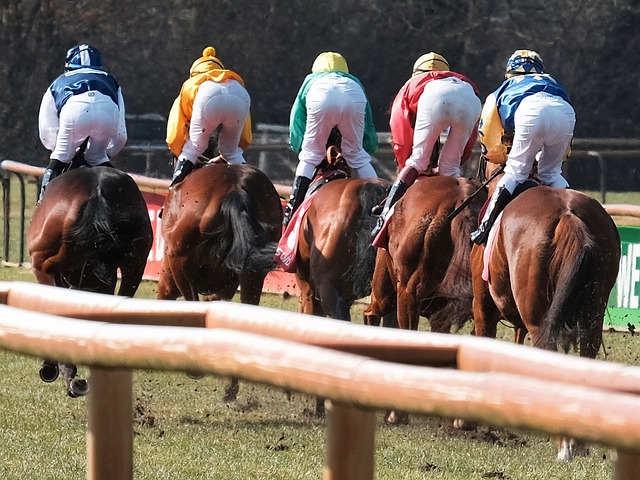
 Horse racing commentary has always added colour to the sport, but in 2026, it is also shaping how many UK punters place their bets. Live observations, tone changes, and offhand remarks are increasingly treated as signals rather than background noise. That shift reflects a more tactical approach to wagering during a season where margins feel tighter.
With betting turnover under pressure and everyday fixtures drawing less casual money, many bettors are listening harder and reacting faster. The real question is how commentary fits into smarter decision-making, especially when markets can move in seconds. These five angles show how listeners are turning words into wagers.
Reading Pace Through Commentary
Early in the broadcast, commentators often set the rhythm of a race before the stalls even open. Comments about an unexpectedly strong gallop, a jockey keen to lead, or a field breaking unevenly can all hint at how the contest might unfold. For punters, those cues help frame whether a race is likely to favour front-runners or closers.
That context matters because pace influences price more than form lines alone. Bettors who understand how odds react to changing race shape are better placed to judge when a price still holds value. It is why many now compare pre-race assumptions with in-the-moment analysis, especially when searching for the best horse racing odds as markets adjust mid-broadcast. Once the pace picture becomes clear, prices often lag briefly before correcting.
Commentary Insight On Track Bias
Track bias is rarely listed in a racecard, but it is often obvious to those watching closely. Commentators who note horses favouring a particular strip of ground or struggling on the far rail provide clues that go beyond official going descriptions. Over a meeting, those patterns can become hard to ignore.
Punters listening throughout the afternoon often adjust their approach race by race. If the commentary consistently highlights leaders hanging left or winners coming wide, expectations for later races shift. Markets may take time to fully price in those nuances, particularly at smaller tracks.
This reliance on live insight sits alongside an interesting split in the sport’s fortunes. Attendance rose 4.9% in the first nine months of last year, while betting turnover fell 4.2% year-on-year. More eyes are on racing, but those betting are doing so with sharper, information-led strategies.
Late Bets Versus Early Prices
The tension between taking an early price and waiting for confirmation is nothing new. What has changed is how commentary tips that balance. Pre-race confidence from a commentator who has watched a horse move well can validate an early bet, while hesitancy in their voice may encourage patience.
Late betting, especially close to the off, allows punters to fold in all available signals. Declarations, weather shifts, and last-minute jockey changes are often digested live on air before markets fully settle. For many, the trade-off is clear: miss the top price, but gain clarity.
In a season where fewer races are attracting heavy turnover, that clarity can outweigh the loss of a few ticks. The emphasis has moved from chasing standout odds to avoiding bad bets.
Market Shifts After Incidents
Not every decisive moment happens cleanly. False starts, delayed loadings, or a horse getting worked up at the gate can all trigger sudden commentary changes. When those observations are paired with rapid odds movement, punters are quick to reassess.
Steamers and drifters have become shorthand for confidence or concern. A horse drifting after a minor incident might be over-penalised if the commentator downplays its impact. Conversely, a steamer following positive paddock remarks can signal money arriving fast. In a market where value is fleeting, timing becomes everything.
This tactical mindset has grown alongside wider industry pressures. Betting turnover on British racing [fell 9% in the first three months of last year](https://www.britishhorseracing.com/racing-report-q1-2025/), with core fixtures down 14.4%. With less liquidity at routine meetings, reacting sharply to incidents can create an edge that others miss.
Applying Commentary At Big Meetings
Major festivals amplify everything. Commentary teams are more detailed, markets are deeper, and information flows faster. At Cheltenham or Royal Ascot, a single remark about a horse’s demeanour can ripple through the betting ring.
Punters using commentary-led angles tend to be selective at these meetings. Rather than betting every race, they wait for moments where observation and price diverge. When the crowd roars but the commentator spots a flaw, opportunity can appear.
These events also highlight discipline. Big meetings tempt overconfidence, yet the same principles apply: listen, interpret, and act only when the picture makes sense.
What This Means For Punters
Commentary in 2026 is no longer just theatre. For UK bettors, it is part of the data stream, sitting alongside form, prices, and intuition. As turnover patterns change and margins tighten, those who can translate live words into informed decisions are finding ways to stay competitive.
The bigger picture is simple. Betting smarter does not always mean betting more. Sometimes, it just means listening better.