
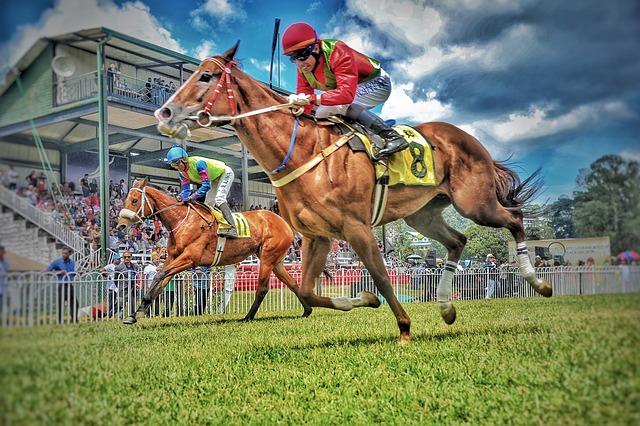
 Cheltenham became the crown jewel of jump racing because a long, steady rise from 19th century meetings met a defining headline race, a testing course at Prestbury Park, and an atmosphere that turns sport into ritual — and people kept coming back for more.
From Small Meetings to a Festival
It began modestly. What we now call the Cheltenham Festival grew out of race meetings in the 1800s that slowly focused on National Hunt racing; over decades the card expanded and the meeting’s identity shifted from a local attraction to a national fixture. That slow build matters. It wasn’t overnight fame; it was accumulation — reputation stacked on reputation — and that’s how traditions take hold. The introduction of the National Hunt Chase and the eventual movement of the four-day meeting exclusively to Prestbury Park solidified its geographical and disciplinary focus, giving it a permanent home and identity.
The Gold Cup Changed Everything
Ask any fan and they’ll point to the Cheltenham Gold Cup. First run as a steeplechase in 1924, it became the blue riband test of stamina and jumping skill, and a string of legendary winners — notably Golden Miller’s five straight wins in the 1930s — helped fix Cheltenham in the public imagination as the place to prove a champion. Big races attract big names, and big names attract attention. Simple as that.
The Course Gives the Festival Its Character
Prestbury Park isn’t just a backdrop. The undulating ground, the uphill finish and the way fences sit in the landscape make Cheltenham a proper examination for horse and rider; it’s not a flat gallop where anything can happen, it’s a place that exposes weaknesses and rewards bravery. That quirkiness makes victories here feel earned — and memorable.
People, Timing and the Roar
Timing helps too. The Festival sits in March and usually overlaps with St Patrick’s Day, which brings a huge Irish presence and a particular kind of noise and colour; the “Cheltenham roar” at the first race is famous for a reason—it’s a communal exhale that signals the start of something big. Broadcasters, owners and trainers treat Cheltenham as the proving ground, amplifying the stakes for punters who bet on Cheltenham and look for horses that hit form at just the right time in the season.
Stewardship, Money and a Dash of Luck
There’s careful stewardship behind the scenes. The Jockey Club and other authorities invested in the fixture, kept standards high and protected the Festival’s identity, which helped it grow in prestige and commercial value. Add a few iconic horses, the right media coverage at the right moments, and yes, a bit of luck — and you have a recipe that’s hard to replicate exactly.
Cheltenham’s crown didn’t arrive by accident. It’s the product of history, a marquee race, a distinctive course, and an electric atmosphere that turns sport into ritual.
Want to dig deeper into the Festival’s early years or relive the Gold Cup’s greatest moments?
Tell me which you’d prefer next: explore a timeline of key Cheltenham milestones or get a curated list of must-see Gold Cup moments?